
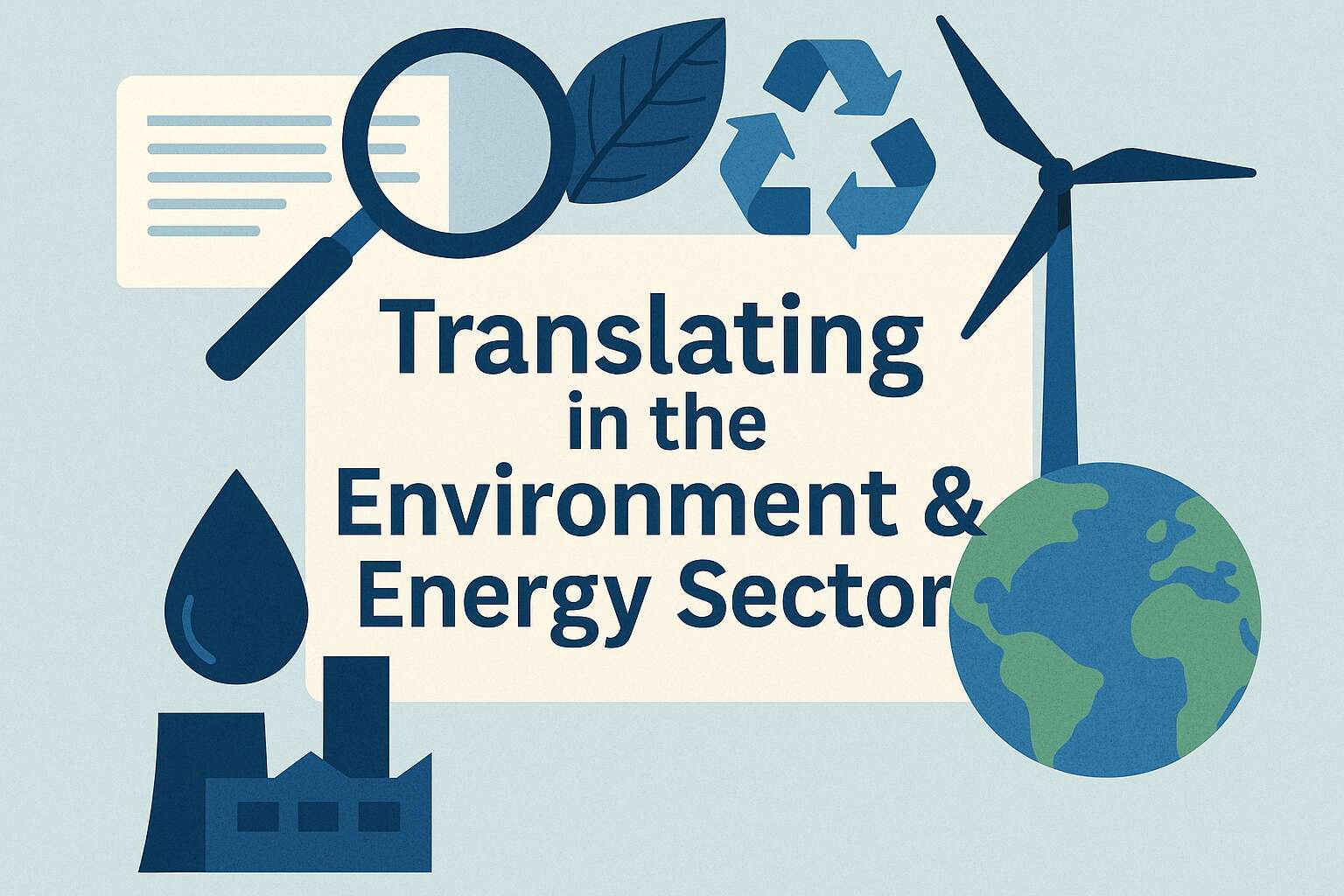
The environment and energy sector is at the heart of global sustainability, renewable innovation, and regulatory compliance. From waste management documentation to energy efficiency reports and environmental impact assessments, translation plays a crucial role in ensuring that technical information is clear, accurate, and legally compliant across borders.
For companies working in renewable energy, hydropower, or environmental law, investing in high-quality translations is not just a technical necessity—it’s a strategic asset for regulatory approval, market expansion, and stakeholder trust.
At InnovaLang, we specialize in technical and scientific translations, helping organizations in the energy and environmental sectors navigate complex documentation requirements with precision and cultural awareness.
Key Areas Requiring Professional Translation
Certain types of documentation are particularly critical in the energy and environment industry. Accurate translations are essential to ensure compliance, technical clarity, and effective communication.
a) Regulatory and Compliance Documents
✔ Environmental impact assessments (EIA) and permits.
✔ Waste management documentation, aligned with local and international regulations.
✔ Hydropower licensing and water-use regulatory documentation.
✔ Compliance with ISO environmental and energy standards, as well as national climate policies.
Errors in regulatory translations can lead to fines, delays, or project cancellations.
b) Technical Documentation
✔ User manuals and safety instructions for energy equipment.
✔ Renewable energy efficiency and sustainability reports.
✔ Carbon footprint and emissions reduction strategies, often required for CSR and government audits.
Precise technical translations allow engineers, policymakers, and technicians to operate safely and consistently across different markets.
c) Sustainability and Corporate Communication
✔ Corporate social responsibility (CSR) and ESG reports.
✔ Green energy marketing materials to highlight sustainability initiatives.
✔ Stakeholder communication regarding renewable energy investments.
Inaccurate translations in these areas can harm brand reputation and reduce trust among environmentally conscious consumers.
d) Scientific Research and Innovation
✔ Academic publications on wind, solar, and hydropower technologies.
✔ Reports on circular economy and waste reduction strategies.
✔ Collaborative studies on climate change mitigation.
Clear and accurate translations make scientific research accessible to global audiences, promoting international collaboration.
Challenges in Translating for the Energy & Environment Sector
Translating technical and regulatory documentation for this sector presents unique challenges:
✔ Complex Terminology – Engineering, legal, and environmental terms require field-specific expertise.
✔ Regulatory Variations – Energy efficiency standards differ by country; translators must be familiar with local regulations.
✔ Cultural and Linguistic Adaptation – CSR and sustainability messages must resonate with diverse stakeholders, requiring cultural sensitivity.
✔ High Stakes – Errors can result in legal disputes, reputational damage, or environmental risks.
For example, wind energy technical documentation often includes highly specialized engineering terms, while energy efficiency reports must adhere to market-specific standards.
Best Practices for High-Quality Translations
Delivering compliant and reliable translations in this sector requires a structured approach.
a) Collaborate with Industry-Specific Translators
Partner with translators who specialize in technical and scientific translation, with proven expertise in energy and environmental regulations.
b) Use Glossaries and Terminology Databases
Consistent terminology is essential, especially when translating large volumes of multilingual environmental documentation.
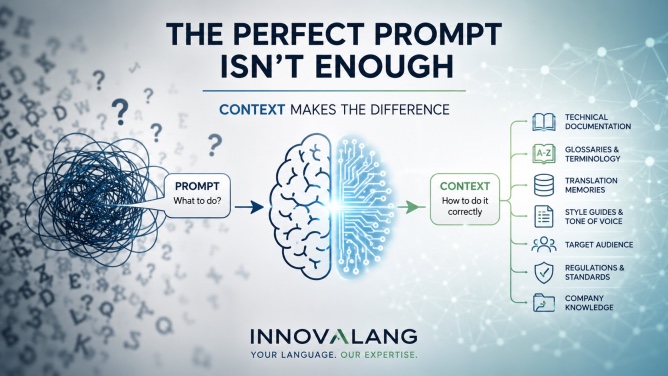
c) Provide Reference Materials and Style Guides
Glossaries, regulatory references, and client-approved style guides ensure accuracy and compliance.
d) Implement Quality Assurance (QA) Processes
✔ Multi-step reviews by subject matter experts.
✔ Automated quality checks for terminology consistency.
✔ Proofreading by native linguists familiar with local regulations.
e) Leverage Translation Technology
Translation memory and semantic analysis tools help maintain accuracy and consistency, especially for recurring technical terms.
f) Work with Native Translators Familiar with Local Laws
This ensures that regulatory translations align perfectly with the target market’s legal requirements.
Business Impact of Accurate Translations
Professional translation in the energy and environment sector offers tangible business benefits:
✔ Regulatory Compliance and Risk Reduction – Accurate translations prevent costly errors in permits or environmental assessments.
✔ Faster Market Entry – Properly translated technical and regulatory documents speed up approval processes.
✔ Brand Reputation and Trust – Transparent, clear communication of sustainability initiatives improves corporate image.
✔ International Collaboration – Accurate scientific translations encourage cross-border research and innovation.
For example, misinterpreted waste management regulations can lead to fines, while well-translated sustainability reports can boost investor confidence in green energy projects.
The Role of Professional Translation Partners
Not all translation providers can meet the stringent demands of this sector. A specialized partner like InnovaLang ensures:
✔ Expertise in technical and scientific terminology.
✔ Familiarity with environmental and energy regulations in multiple markets.
✔ Tailored solutions for multilingual projects, from carbon footprint reports to hydropower documentation.
By partnering with experienced professionals, companies can confidently expand into international markets while demonstrating a true commitment to sustainability.
Conclusion
In the era of renewable energy and sustainability, translation is a strategic driver for compliance, innovation, and market expansion.
Companies investing in high-quality, compliant translations gain a competitive edge:
✔ They meet regulatory requirements across markets.
✔ They communicate sustainability goals effectively.
✔ They strengthen their reputation as environmentally responsible leaders.
As technological innovation grows, human expertise remains irreplaceable for ensuring accuracy, regulatory adherence, and cultural relevance.
With InnovaLang, businesses in the energy and environment sector can rely on accurate, compliant, and scientifically precise translations—a crucial step toward global sustainability leadership